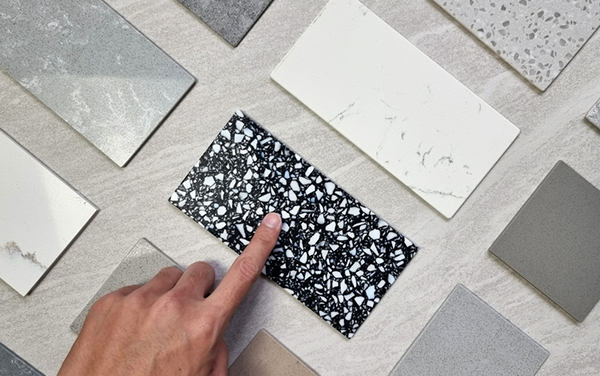
Kitchen and bathroom countertops are one of the most visible features in any home. Not only do they serve the purpose of functionality, but they can also convey a lot about your style and personality. Many quality countertop styles are available, which is great for the consumer. However, the number of options can make determining which is best suited for your needs, lifestyle, and personal preference is challenging. Once you’ve invested so much into choosing the perfect countertop, knowing how to care for it properly is essential, so it lasts for years.
The first step is choosing the best countertop material for your needs. Each of the materials comes with its unique benefits and drawbacks. Following are some of the most popular types of countertop materials:

Quartz
Quartz is a man-made stone composite of natural quartz, resin, and pigment. This material is highly durable, making it suitable for both kitchens and bathrooms. Quartz has the added benefit of being stain-resistant, which is important for busy kitchens or makeup spills in the bathroom. It’s available in a nearly limitless array of colors and patterns, so you won’t have trouble finding one that aligns with your preferences.
Granite
Granite countertops are incredibly popular for kitchens and bathrooms. Prized for their durability and stain resistance, there isn’t a downside to choosing one of the many available granite styles for your home.
Marble
Marble countertops are considered one of the more luxurious types. They are beautiful to look at and have a depth to their beauty that any man-made material can’t duplicate. On the downside, though, marble is an absorbent material; stains easily penetrate marble. This simply means that the marble will need to be sealed more frequently than other materials, and more care should be taken.
Solid Surface
Manufacturers make solid surface countertops from mineral powders and acrylic resin. While not as “glamorous” as marble or granite, solid surface countertops are still highly valued for their durability and easy maintenance. They are a great option for busy families who don’t want to spend much time and attention on their countertops.
Laminate
Laminate countertops, made from resin, paper, and decorative materials, are appreciated because of their affordability, low maintenance needs, and durability. They stand up to a lot of wear and tear without breaking the household budget. Though they don’t resemble high-end materials like quartz, granite or marble, they come in many attractive styles.

Care and Maintenance of Your Countertops
Once the important task of choosing your countertops has been accomplished, the next step is to take care of them so they last as long as possible.
Clean Countertops on a Regular Basis
Maintaining the appearance and functionality of your countertops comes down in no small part to regular cleaning. A mild soap and water solution is usually sufficient to keep the surface clean and free from dirt and potential stains. Stay clear of using harsh chemicals and abrasive cleaners that could damage the surface and dull the finish of your countertop. Your manufacturer should give you a list of safe products and ones to avoid.
Seal Countertops to Prevent Permanent Staining
If you’ve opted for a natural stone countertop like granite or marble, regular sealing is not just an option but a necessity. A clear sealant designed specifically for natural stone creates a protective barrier, safeguarding your countertop from potential staining and damage. This added layer of protection can significantly enhance the lifespan of your countertop.
When you first get your new countertops, they will likely come pre-sealed. However, don’t assume. Make sure to ask if they are already sealed, and also find out how often the sealing should be done. There are countertop sealants on the market for future applications. Just know they won’t do as well as professional countertop sealing services.
Guard Against Heat Damage
Placing hot dishes, skillets, and pots directly on your countertops could leave scorch marks, discoloration, or even crack your beautiful countertop. Use a kitchen towel for hot items, or invest in some pretty trivets where you can safely set things after they come off the stove or out of the oven.
Always Use Cutting Boards
Avoid cutting anything directly on top of your countertops. Always use a cutting board for chopping, slicing, or any other knife tasks. Many families find it helpful to keep several cutting boards available in the kitchen. One near the sink, one on the serving counter, one near the range, etc. That will help remind everyone in the household to use the cutting board and prevent you from having to find a single cutting board whenever you need one.
If cuts or scratches occur, they can sometimes be sanded away, but never attempt this without checking first. The success of this strategy will depend upon what kind of countertop material you have. Contact your manufacturer’s recommendations to learn how to correctly deal with accidental countertop cuts, scratches, and similar mishaps.
Don’t Overload Countertops
Most kitchen and bathroom countertops have some overhangs. Your countertop installer carefully measures this overhang to ensure it is structurally sound. However, those calculations are based on normal wear and tear in the home. Avoid overloading countertops with excessively heavy items, particularly where the overhang is. Otherwise, you might accidentally crack or break a section of the countertop. Just bear in mind that you should distribute weight evenly across the countertop.
Make Timely Repairs
If something happens to your countertop and a repair is needed, be sure to take care of it in a timely manner. The longer you wait, the more likely the damage will worsen. A crack may get larger or even turn into a break, whereas if you had repaired the damage immediately, it might have been prevented from worsening.
Considering what a big impression your countertops make in your home and how much time you’ve invested in making sure you choose the right ones, you want them to look beautiful and be functional for as long as possible. Remember these tips to keep your kitchen and bathroom countertops looking their best for years to come.