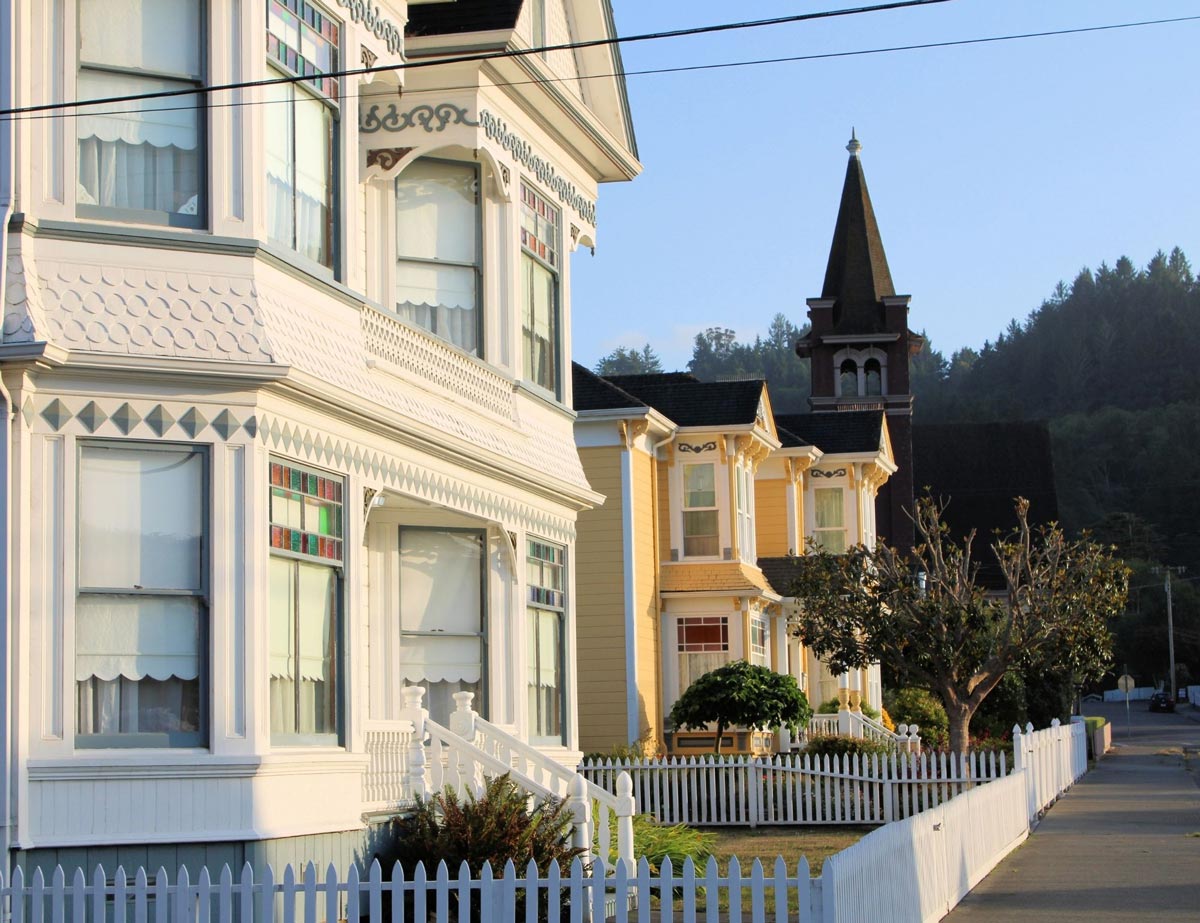
With the uncertainty of the housing market and the rising costs of new construction more homeowners are now purchasing older homes at lower prices with the intention to remodel or renovate. Houses are generally considered “old” once they reach 50 years of age whereas properties over 100 years old are classified as historic. All houses come with their own unique history, features, and quirks, but homes over the age of 50 require special consideration when choosing to remodel or renovate.
Before you Renovate
With decades of wear and tear, older homes are bound to bring their fair share of surprises to unsuspecting homeowners or remodelers. From original hardwoods hidden under linoleum to outdated wiring tucked behind walls, it’s important to have a thorough inspection of the home done prior to any demolition or reconstructive work to ensure that you are as prepared as possible for any unsuspected popups.
Local Laws and Regulations
Most cities and neighborhoods have rules surrounding renovations of historic buildings. Check your local preservation ordinances to ensure that any structural or aesthetic updates you are making are within regulations.
Budget for Surprises
No matter how prepared you are, there are often things that we cannot account for. Make sure to leave room in your budget to relieve any stress that comes with these additional surprise costs.
Structural Considerations
Once you begin tearing out cabinetry and knocking down walls, you’ll find that many older homes feature original or older construction or mechanical features that may not follow modern code requirements. Without fixing or updating these features (such as plumbing, electrical wiring, and support structures) your home is vulnerable to water, fire, and other forms of damage.
Plumbing
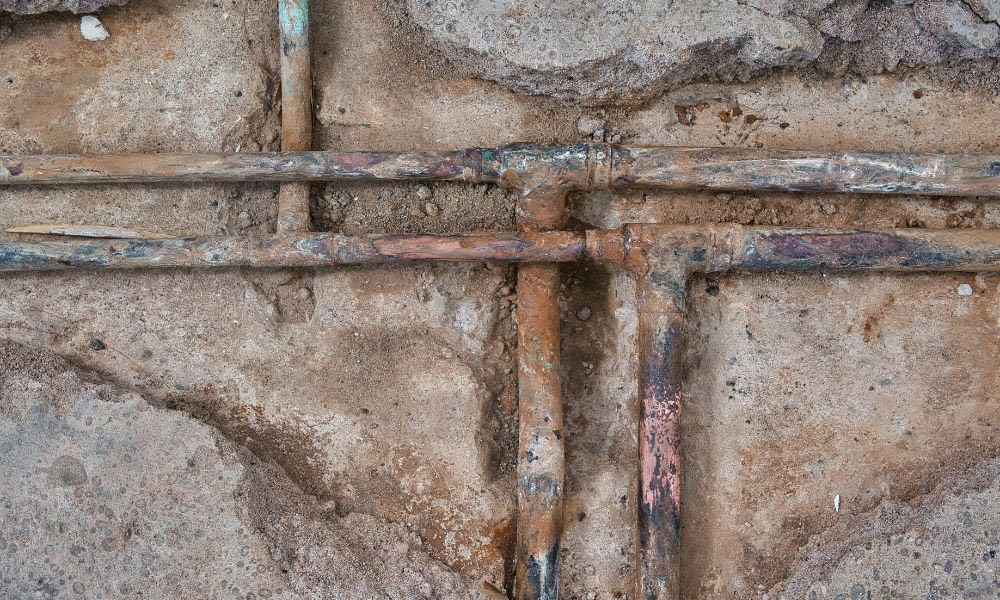
Often featuring plumbing from materials that corrode or rust, leaks or water damage are a common issue found in older houses. Water damage can cause rot and instability in wooden structures as well as promote the growth of mold. If you notice water damage in your home, it is important to address it as soon as possible. Aside from water damage, some older pipes can even be made of lead, making them a serious health hazard if corroded or otherwise damaged. Installing new, efficient piping will ensure that your home is safe from these dangers and that modern water efficiency, pressure, and other standards can be met.
Electrical
Outdated electrical components, frayed wires, and improper installation are among the issues you may encounter when dealing with an older home’s electrical wiring. Outdated, defective, or otherwise unfit electrical wiring can pose a serious fire hazard if not addressed.
Structural
Older homes are prone to foundational issues including rotting or warped floor joists, sagging roofs, and termite damage. When the bones of a house are out of alignment, any improvements made to the interior of the home are compromised. Verify that your home is structurally sound and level to serve as a sturdy base for any home projects you may wish to do.
Efficiency Features
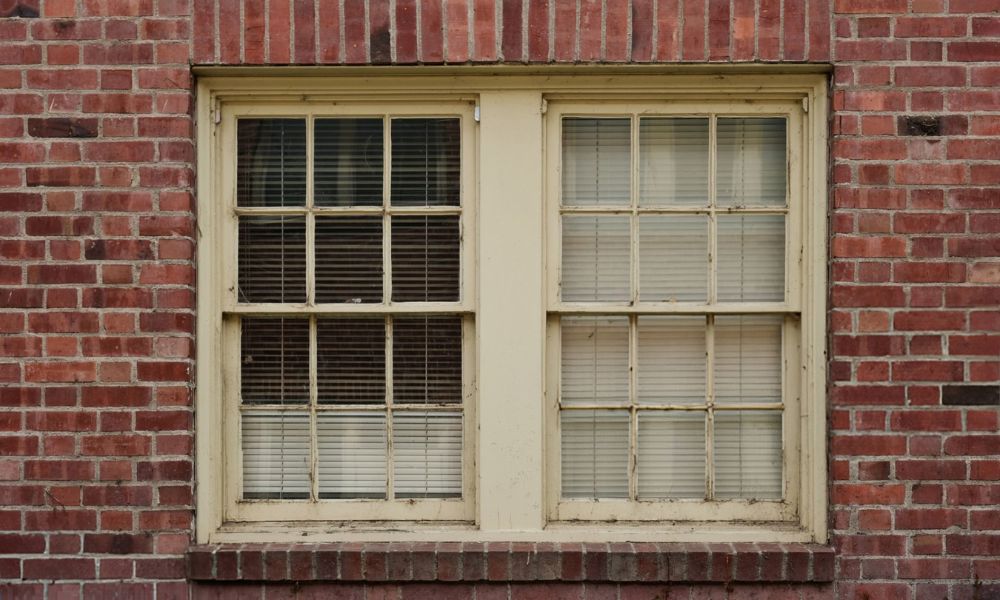
Because of an older or historic home’s age, they often feature windows, insulation, heating and cooling equipment, water piping, and ducts that do not meet modern efficiency standards, driving up your utility bills.
Work with the Style of Your Home
When it comes to remodeling an older house, consider working with the intrinsic style of your home to create spaces that feel harmonious and intentional. For example, the interior design style and fixtures that might complement a historical Victorian home may look out of place in a mid-century ranch and vice versa. From the Craftsman houses of the 1910s to the Tudor Revival homes of the 1930s, the Mid-Century Modern charm of the 1950s to the Split-Level Retro style of the 1970s, draw inspiration from the original architectural and interior design style that your house has “built-in”.
Highlight Original Features
One selling point of older homes are their unique original features such as ornate woodwork, lavishly decorated mantles, sweeping grand staircases, charming tilework, inspired paneling, and natural stone or brick fireplaces. These original features are what make your home truly one of a kind. Here are a few ideas to incorporate your home’s original features into your remodel:
- Highlight original cabinetry with updated countertops and fixtures.
- Repurpose original tile to be used for a custom shower niche or as a kitchen backsplash.
- Match your faucets, hardware, and other metallic finishes to your original lighting fixtures.
- Select cabinet doors and trim that complements or matches the molding found in your home’s doors, trimming, paneling, and other woodwork.
Complementary Fixtures and Finishes
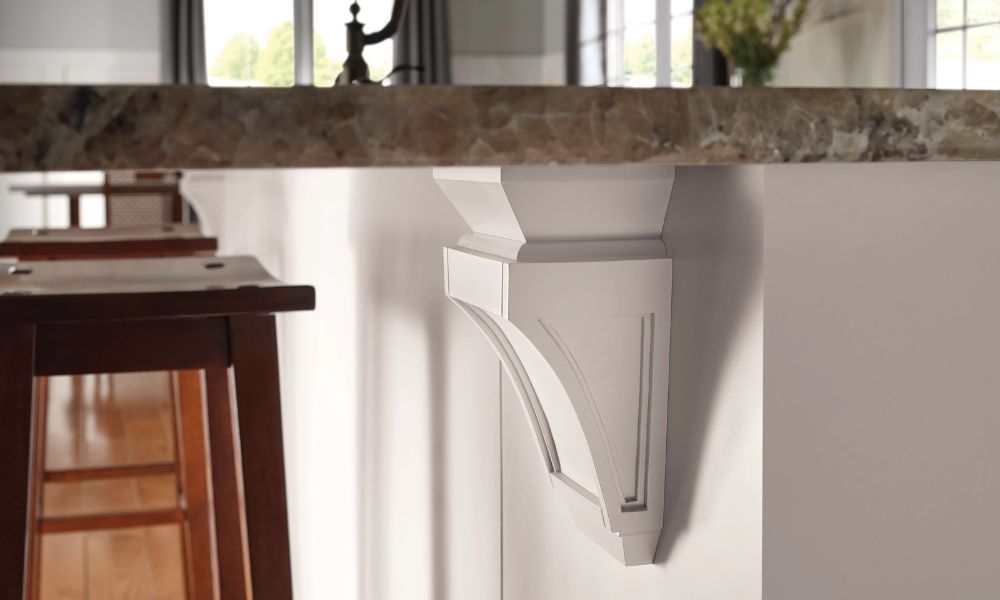
If you are unable to salvage original features choose historically inspired products that blend seamlessly into your space for a cohesive look and feel. If you prefer to incorporate more modern or contemporary design into your home, provide a daring contrast against the original architectural and interior style with conflicting yet complementary fixtures and finishes.
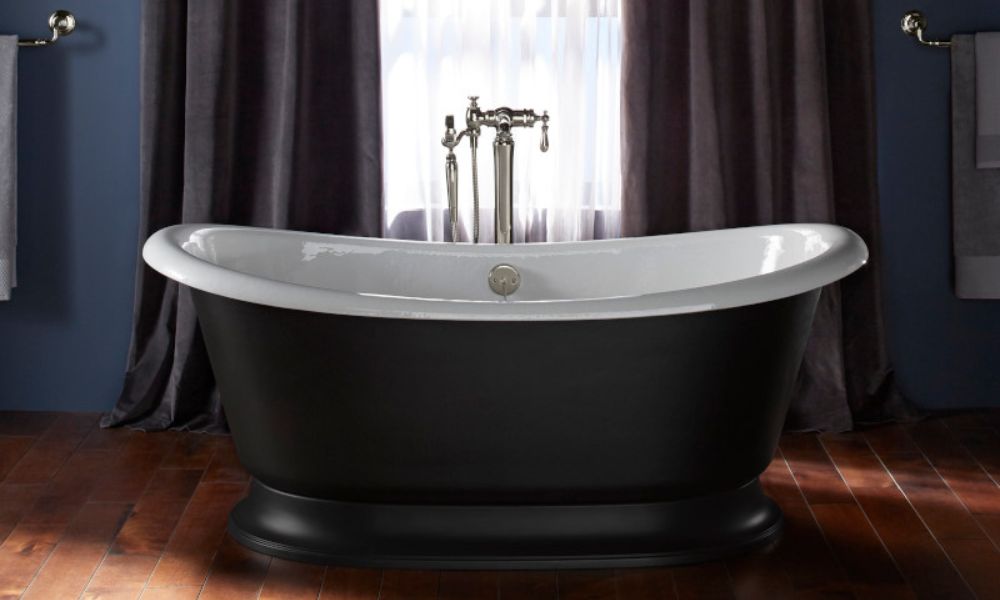
Kohler’s Artifacts® collection features ornate turn-of-the-century design details that amplify the historic charm of older homes, including a skirted or footed cast iron tub, a staple of any Victorian or turn-of-the-century bathroom.
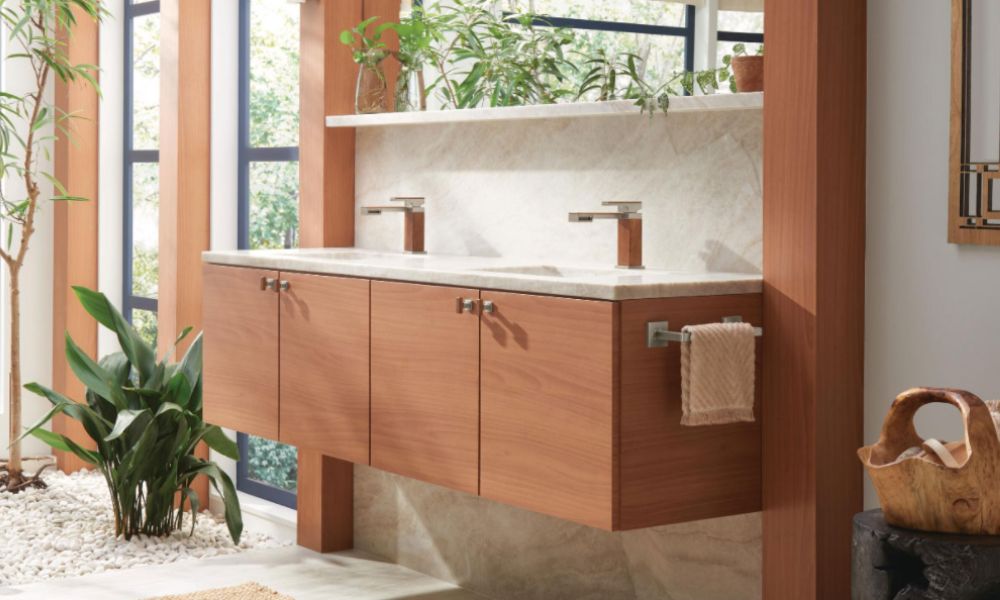
In contrast, Brizo’s Frank Lloyd Wright® collection features the clean lines and low profile of the prairie-style architectural movement that Wright pioneered. This design style utilizes gradual, layered slopes and open concept spaces to echo the natural landscape of the midwestern plains. Brizo’s collection captures the surprisingly modern beauty of prairie-style architecture with natural woods and inspired geometric silhouettes.
Considering Colors
Another way to bring a historical touch to your remodel is to implement colors and finishes that would have been used at the time of your home’s construction. Every decade and its interior style trends offer their own unique palettes to work with and draw inspiration from. For example, “Mamie Pink” bathrooms were a widespread trend throughout America in the 1950s and 60s. Kohler produces a selection of bathroom products in the historically inspired 150th Peachblow finish that would perfectly suit a mid-century home.
Schrock’s Color by Number program offers homeowners the customizability to select from any color in the Sherwin-Williams and Benjamin Moore Paint families, including their Historic Paint Colors collections categorized by era, for their cabinetry, bringing a thoughtful and historical touch to a remodeled space.
Plan Your Project
Whether you’re ready to tackle your remodel or still gathering information, get in touch with a DKB Designer Kitchens and Baths showroom near you and rely on the expertise of our design professionals to assist you in planning the projects you have in mind for your old or historic home.